
Helical Piles vs. Traditional Pilings: Which is Best for Long Island Waters?
September 26, 2025
Introduction: Storms Are a Constant Threat to Long Island Docks
Long Island’s waterfront lifestyle comes with a price: storms, hurricanes, and Nor’easters that can cause thousands of dollars in property damage overnight. From Massapequa canals to the Great South Bay in Babylon, docks are constantly exposed to powerful winds, heavy tides, and shifting sands.
For homeowners, the question is not if your dock will face storm damage — but when.
That’s why more and more Long Island property owners are turning to helical piles, a modern marine construction solution designed to withstand the harshest weather. Unlike traditional timber pilings that loosen or rot, helical piles anchor deep into stable soil layers, keeping your dock secure even during the worst storms.
How Storms Damage Traditional Docks
Before explaining the solution, it’s important to understand the problem.
1. Storm Surge & Rising Tides
Storms push water inland, creating powerful surges that rip decking apart and shift pilings.
2. High Winds & Wave Action
Wind-driven waves slam into docks, stressing connections and dislodging pilings.
3. Soil Erosion
Nor’easters and hurricanes wash away the sandy soil that supports traditional pilings, causing docks to lean or collapse.
4. Freeze-Thaw Damage
Winter storms freeze water around pilings. When ice expands, it cracks timber or weakens supports.
👉 The Result: Many Long Island docks fail not because of poor construction, but because their foundations can’t resist storm conditions.
What Makes Helical Piles Different
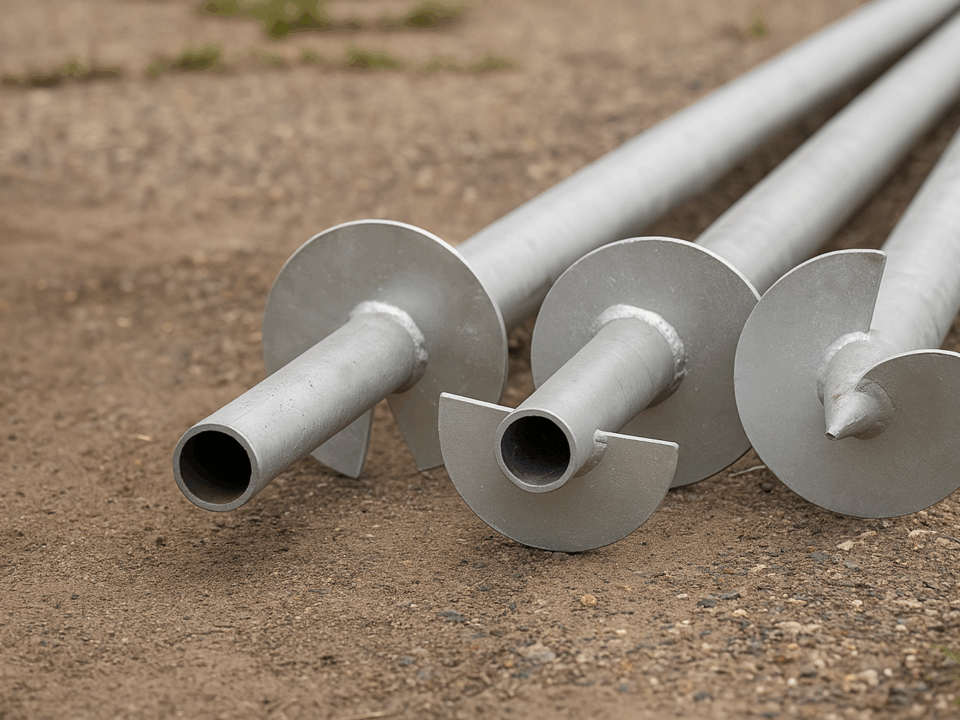
Helical piles are steel shafts with screw-like blades that twist deep into the ground using hydraulic equipment.
-
Deeper Anchoring: Unlike timber pilings that rely on surface soil, helical piles anchor into stable soil layers many feet below.
-
Lateral & Vertical Strength: They resist both downward weight and side-to-side storm pressure.
-
Corrosion-Resistant Materials: Coated steel ensures long life in saltwater environments.
-
Adaptability: Extensions can be added to reach required depths based on site conditions.
👉 In other words, helical piles don’t just sit in the ground — they lock into it.
5 Ways Helical Piles Protect Docks During Storms
1. Resistance Against Storm Surge
Helical piles anchor below shifting surface sands, holding steady when surging tides pull at the shoreline.
2. Stability in Sandy Soils
Long Island’s south shore is mostly soft, sandy soil, which doesn’t hold traditional pilings well. Helical piles cut through it to find stronger soil below.
3. Lateral Load Capacity
During hurricanes and Nor’easters, waves push docks sideways. Helical piles resist these lateral forces, preventing leaning or collapse.
4. Reduced Risk of Erosion Failure
Even if surface soil washes away, helical piles remain locked into deeper layers — keeping your dock standing.
5. Long-Term Durability
Unlike wood pilings that rot, split, or suffer marine borer damage, steel helical piles last 40+ years with minimal maintenance.
Case Studies: Helical Piles in Action
Massapequa Canal Dock
A wooden dock collapsed after repeated storm surges loosened its timber pilings. RC Wish rebuilt it with helical piles, which survived three consecutive Nor’easters without shifting.
Babylon Bayfront Property
A homeowner lost nearly 10 feet of shoreline during Hurricane Sandy. We installed a new vinyl bulkhead reinforced with helical piles. Ten years later, it remains stable through storms and rising tides.
Patchogue Marina Pier
Commercial docks face heavier traffic and more exposure to storm surges. Helical piles provided the foundation strength needed for year-round use.
Comparing Helical Piles vs. Traditional Pilings in Storm Conditions
| Feature | Traditional Pilings | Helical Piles |
|---|---|---|
| Storm Surge Resistance | Low–Moderate | Excellent |
| Soil Compatibility | Weak in sandy soils | Anchors into deep layers |
| Lateral Load Capacity | Limited | High |
| Erosion Resistance | Fails if surface soil erodes | Remains anchored deep |
| Lifespan | 15–30 years (wood/concrete) | 40+ years (steel) |
The Cost of Storm Damage vs. Prevention
-
Dock Replacement After Storm Failure: $20,000–$50,000+
-
Storm Damage Repairs: $5,000–$15,000 each storm season
-
Helical Pile Installation: $2,500–$3,500 per piling, lasting 40+ years
👉 Investing in helical piles costs more upfront, but saves tens of thousands in storm-related damage long-term.
Why RC Wish Marine Construction?
At RC Wish, we specialize in protecting Long Island docks against storms.
-
✅ Licensed & Insured Marine Contractors
-
✅ Specialized in Helical Pile Installation
-
✅ Decades of Experience Across Nassau & Suffolk Counties
-
✅ Knowledge of Town, County & NYS DEC Permitting
-
✅ 5-Star Reputation for Quality & Durability
📍 259 S Bayview Ave, Amityville, NY 11701
📞 (631) 278-7146
👉 Request a Free Helical Pile Quote »
Final Thoughts
Storms are part of life on Long Island, but dock failure doesn’t have to be. With helical piles, your dock gets the deep anchoring strength it needs to withstand Nor’easters, hurricanes, and the constant pounding of tides.
At RC Wish Marine Construction, we’ve seen firsthand how helical piles transform vulnerable docks into storm-proof investments. Don’t wait until the next storm — protect your property today.
📞 Call us at (631) 278-7146 or Request a Free Estimate Online ».